Make Every Conversation Easier to Remember with Notta
In busy professional and personal environments, keeping track of every conversation can be challenging. Meetings, interviews, brainstorming sessions, online classes, and team discussions can contain valuable information that is easy to forget. Notta provides a convenient way to turn spoken conversations into organized written notes, helping users keep important details accessible when they need them.
Instead of concentrating on writing down every sentence, users can focus more fully on the conversation. Notta can support note-taking workflows by helping capture spoken information and organize it into useful text. This can make everyday communication more manageable for students, professionals, creators, researchers, and teams.
Capture Meeting Discussions Without Missing Important Details
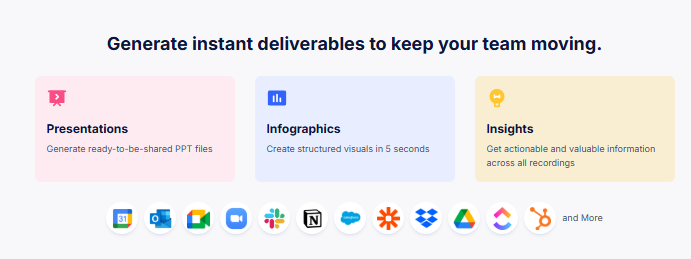
Meetings often move quickly, with several topics discussed in a short period. Manually taking notes while listening can make it difficult to participate actively. Notta offers a way to capture conversations so users can review the discussion later.
Having a written record can be especially helpful when a meeting includes project updates, responsibilities, deadlines, ideas, or important decisions. Rather than relying entirely on memory, users can return to their notes when preparing a follow-up email, updating a task list, or reviewing what was discussed.
This approach can also help teams maintain better documentation. When information is available in written form, participants can spend less time trying to remember specific points from previous conversations.
Turn Speech into Useful Written Notes with Notta
Transcription can be useful in many situations beyond business meetings. Interviews, presentations, lectures, research conversations, podcasts, and online discussions can all generate large amounts of spoken information. Writing everything manually can take considerable time and may cause important details to be missed.
Notta helps make the transition from spoken content to written information more convenient. Users can use transcribed material as a starting point for creating summaries, reviewing conversations, or organizing information for future reference.
For content creators and researchers, searchable written material can also make it easier to locate particular parts of a long conversation. Instead of listening to an entire recording again, users can work with the available text to identify relevant information more efficiently.
Organize Information for Better Productivity
Good organization plays an important role in productivity. Having notes scattered across notebooks, documents, messages, and applications can make information difficult to find. A structured note-taking workflow can make everyday tasks easier to manage.
Notta can fit into workflows where users need to collect and review information from conversations. After capturing a discussion, users can refer back to the resulting notes when planning their next steps.
For example, a project manager may want to review meeting discussions before preparing a project update. A student may want to revisit information from a lecture. A recruiter may need to organize details from an interview. A content creator may use conversation notes when preparing an article or video.
By turning spoken information into accessible written content, Notta can support different productivity routines.
Support Students, Professionals, and Content Creators
Different types of users can benefit from efficient transcription and note-taking. Students can use conversation records to review lectures or study discussions. Professionals can document meetings, calls, and brainstorming sessions. Researchers can organize interviews and conversations. Content creators can use transcripts as reference material when developing new content.
For remote and hybrid teams, keeping accurate records can be particularly useful. Team members may attend meetings from different locations or have different schedules. Written notes provide an additional reference point for people who need to review a discussion later.
Notta can therefore be useful across a variety of everyday workflows. Its value comes from reducing the amount of manual work involved in converting spoken information into usable notes.
Review Conversations and Create Actionable Information
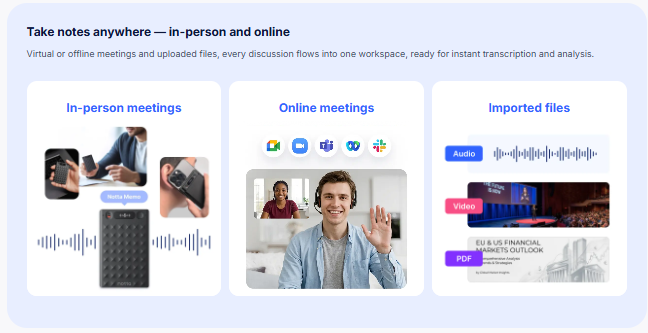
Capturing a conversation is only the first step. The information becomes more useful when it can be reviewed and turned into practical next steps. Meeting notes, for example, may contain tasks, ideas, questions, and decisions that need attention after the meeting ends.
Using Notta as part of a review process can help users revisit important information and determine what needs to happen next. Instead of depending on memory, users can refer to recorded written material when organizing their work.
This can also be helpful for follow-up communication. When preparing messages after a meeting or interview, users can consult their notes to make sure relevant points are included. A clear record can help reduce confusion and keep projects moving forward.
Build a Smarter Note-Taking Routine with Notta
A consistent note-taking routine can make a significant difference in how people handle information. Rather than trying to remember everything from every conversation, users can create a process for capturing, reviewing, and organizing important details.
Notta can be part of that process by helping transform spoken conversations into written information. Users can focus on listening and participating while maintaining a useful record for later review.
Whether you are managing professional meetings, studying online, conducting interviews, researching topics, or creating content, having organized conversation notes can save time and make information easier to revisit. Notta provides a practical approach for people who want to make their everyday note-taking workflow more efficient.