
Begin a New Language Journey with Rosetta Stone
Learning a new language can be a rewarding experience that introduces you to new cultures, conversations, travel opportunities, and professional possibilities. Whether you are starting from the basics or refreshing language knowledge from the past, having a structured learning routine can make the process easier to follow.
Rosetta Stone offers a digital learning environment designed to help learners develop language abilities through interactive lessons and regular practice. The platform can be useful for people with different goals, including travelers, students, professionals, and anyone interested in expanding their communication skills.
Learning a language requires patience and consistency. Rather than expecting immediate fluency, learners can focus on gradually building vocabulary, pronunciation, comprehension, and confidence. With regular practice, simple words and phrases can become increasingly familiar.
Explore Language Learning Through Immersion
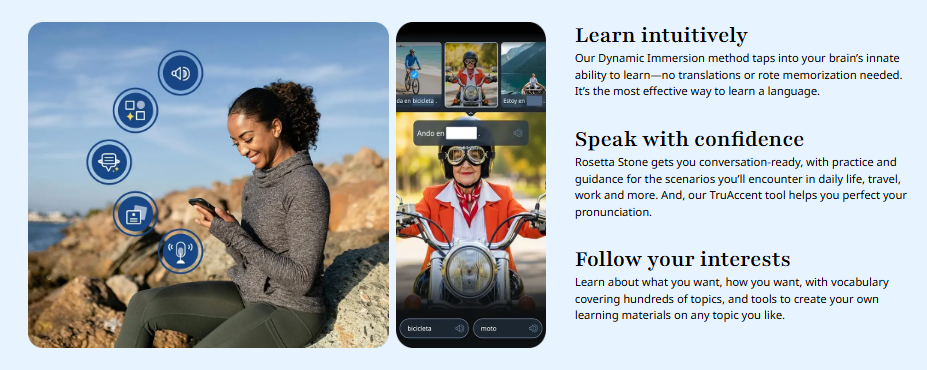
Immersion is an important part of the Rosetta Stone approach. Instead of relying entirely on direct translations, learners can connect words and phrases with images, situations, and context.
This type of learning can encourage students to associate a new word directly with its meaning. Repeated exposure can make vocabulary more recognizable and help learners become comfortable with the structure and sounds of another language.
For beginners, immersive lessons can provide a gradual introduction to everyday language. Learners can encounter vocabulary and phrases repeatedly while developing an understanding of how they are used.
Immersion can also make lessons more engaging. When language is connected with visual examples and practical situations, studying can feel more interactive than simply memorizing lists of words.
Over time, regular exposure can help learners become more comfortable recognizing and understanding the language.
Build a Strong Everyday Vocabulary
Vocabulary provides the foundation for communication. The more familiar you become with useful words and expressions, the easier it can be to understand conversations and express basic ideas.
Rosetta Stone provides structured lessons that introduce vocabulary progressively. Learners can practice words and phrases repeatedly, helping reinforce information over time.
Building vocabulary does not have to happen all at once. Learning a small number of useful words consistently can be more manageable than attempting to memorize hundreds of terms in a single session.
Learners can also reinforce new vocabulary outside their regular lessons. Reading simple texts, listening to the target language, labeling everyday objects, and practicing short sentences can provide additional exposure.
As vocabulary expands, learners can begin combining individual words into longer expressions. This gradual development can help create a stronger foundation for practical communication.
Improve Pronunciation Through Regular Practice
Speaking a new language can sometimes feel challenging, especially when unfamiliar sounds are involved. Pronunciation requires practice because different languages can have unique sounds, rhythms, and speech patterns.
Rosetta Stone includes pronunciation practice that allows learners to work on speaking and become more familiar with the sounds of their chosen language.
Regular repetition can help learners become more comfortable producing unfamiliar sounds. Instead of worrying about achieving perfect pronunciation immediately, students can focus on gradual improvement.
Listening is also an important part of pronunciation development. Hearing words repeatedly can help learners recognize natural speech patterns and understand how individual sounds fit together.
As confidence grows, learners may find it easier to speak simple phrases and gradually progress toward longer conversations.
Create a Flexible Learning Routine
A successful language-learning routine needs to fit into everyday life. Work, education, family responsibilities, and personal commitments can make it difficult to follow a rigid schedule.
Rosetta Stone provides a flexible digital learning option that can be incorporated into different routines. Learners can decide when they have time to practice and create a schedule that feels realistic.
Short, consistent sessions can be a practical way to maintain progress. For example, a learner might dedicate a small amount of time each day rather than waiting for one large block of free time.
Consistency matters because language skills develop through repeated exposure. Returning to vocabulary and concepts regularly can help reinforce what has already been learned.
A flexible approach also makes it easier to adjust your routine when circumstances change. The important goal is to continue practicing rather than trying to maintain an unrealistic schedule.
Develop Skills for Travel and Professional Opportunities
Language learning can be useful for both personal and professional reasons. Travelers may want to communicate more comfortably when visiting places where another language is commonly spoken.
Learning basic phrases can make everyday situations more manageable, from ordering food and asking for directions to greeting local people and understanding signs.
Professional language skills can also support communication in international environments. Businesses increasingly interact with customers, colleagues, and partners from different countries, making additional language abilities valuable in many careers.
Rosetta Stone can provide a starting point for learners who want to develop communication skills for these situations. Regular practice can help learners become more familiar with useful vocabulary and expressions.
Language learning can also provide cultural benefits. Understanding another language can offer a different perspective on traditions, communication styles, and everyday expressions.
Stay Motivated While Expanding Your Skills
Motivation plays an important role in long-term learning. Language development takes time, so finding ways to stay interested can make the process more enjoyable.
Rosetta Stone can be incorporated into a broader learning routine that includes different types of practice. Learners can supplement structured lessons by listening to podcasts, reading simple articles, watching suitable videos, or practicing conversations.
Setting small goals can also help maintain motivation. Instead of focusing only on becoming fluent, learners can work toward milestones such as understanding basic greetings, learning common phrases, or completing a certain number of lessons.
Tracking progress can provide encouragement. As you become more familiar with words and phrases that once seemed difficult, you can see how regular practice is producing results.
Making mistakes should also be viewed as a normal part of learning. Every new language involves unfamiliar vocabulary and grammar, and mistakes provide opportunities to identify areas that need more practice.
Expand Your Communication Skills with Rosetta Stone
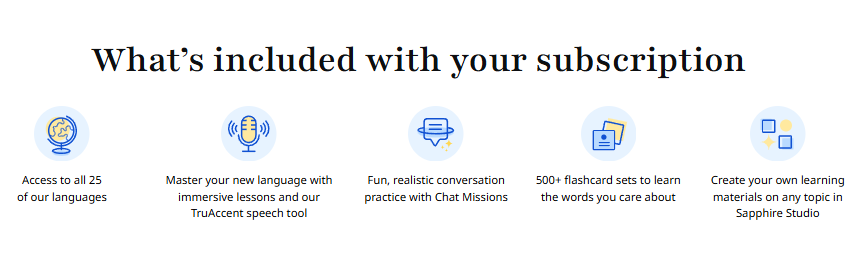
Learning another language can become a valuable long-term skill when approached with consistency and curiosity. Rosetta Stone provides a structured digital environment where learners can explore languages through immersive lessons, vocabulary practice, pronunciation activities, and repeated exposure.
The platform can support different learning goals. Someone preparing for an international trip may focus on everyday expressions, while a professional may want to develop broader communication abilities. A hobbyist may simply enjoy discovering a new language and culture.
The key to making progress is creating a learning routine that can be maintained over time. Short and regular practice sessions can gradually build familiarity, while additional exposure through reading, listening, and conversation can reinforce what you learn.
Language learning is more than memorizing words. It is about developing the ability to understand and communicate ideas. As your vocabulary grows and pronunciation becomes more familiar, you can begin using the language with greater confidence.
Rosetta Stone can be a useful resource for learners who want to explore a new language in a flexible digital environment. Its immersive approach encourages learners to connect language with meaning while practicing important communication skills.
Whether your goal is travel, career development, cultural exploration, or personal growth, learning a language can provide opportunities to connect with people and experiences in new ways. With patience, regular practice, and the right learning resources, each lesson can bring you one step closer to becoming a more confident language learner.