


Why Digital Gaming Marketplaces Are Changing the Way People Buy Games
Gaming has become one of the most dynamic parts of digital entertainment, and the way people buy games has changed dramatically over the last few years. Physical discs and in-store purchases no longer dominate the market. Instead, players increasingly prefer fast, digital access to games, downloadable content, subscriptions, and gift cards. Digital gaming marketplaces have become the center of this shift because they offer convenience, speed, and variety in one place. A player can discover a new release, compare prices, buy a game key, and start downloading within minutes. This convenience has changed buying behavior. Instead of planning purchases around store visits, gamers can make decisions instantly. For casual players, this means easier access. For dedicated gamers, it means faster entry into the latest releases. The modern gaming experience now begins long before gameplay starts. It begins at the marketplace where players search, compare, and decide what to buy.
The Growing Demand for Affordable Game Keys
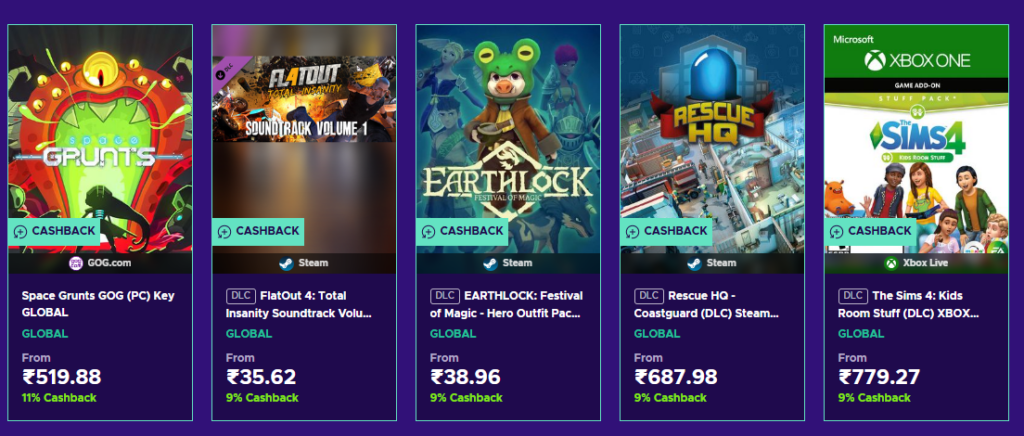
Price plays a major role in gaming decisions. New releases, premium editions, expansions, and in-game content can quickly become expensive, especially for players who enjoy multiple platforms. That is one reason affordable game keys have become so popular. Digital marketplaces allow players to explore different offers and often find better prices than traditional retail channels. This has made gaming more accessible to a wider audience. Students, casual gamers, and players with limited budgets can still enjoy premium titles without always paying full launch prices. Discounts also encourage experimentation. A gamer who might hesitate to spend heavily on an unfamiliar title may feel more willing to try something new at a lower price. This creates benefits beyond savings alone. It broadens discovery, encourages more diverse purchases, and keeps players more actively engaged with the gaming ecosystem. Value matters, and affordable access continues to drive the popularity of digital game marketplaces.
Instant Delivery Has Become a Major Expectation
Modern digital buyers expect speed. In gaming, instant access is especially important because excitement often peaks at the moment of purchase. Whether a player is buying a long-awaited release, a gift card, or downloadable content, waiting can feel frustrating. Digital marketplaces solve this by offering instant delivery of codes and keys. The transaction becomes nearly immediate. Buy, redeem, download, and play. That level of speed has become one of the strongest advantages of digital distribution. It fits naturally with how players behave today. They watch a trailer, see a recommendation, read a review, and often want to play right away. Instant delivery supports that momentum. It also makes gaming purchases more flexible. Someone can buy a gift at the last minute, top up an account instantly, or grab a deal before it disappears. Convenience is no longer a bonus. For many players, it has become the standard expectation.
More Than Games: The Rise of Gift Cards and Top-Ups
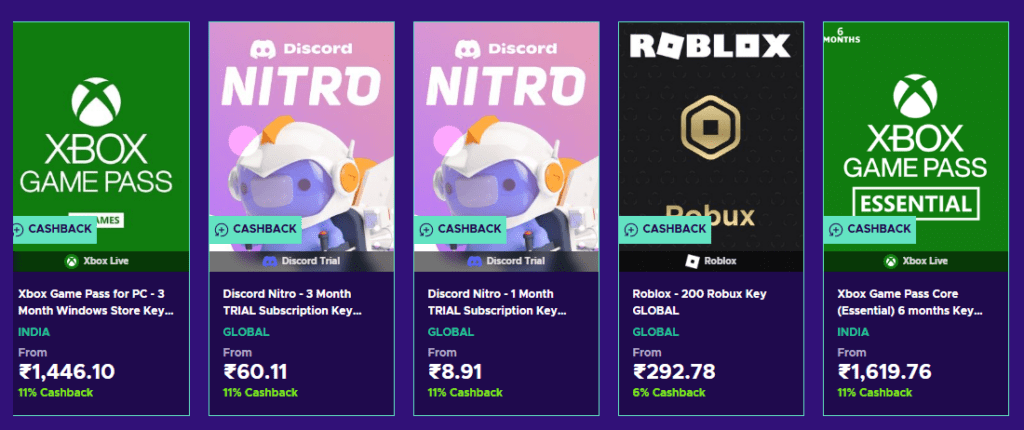
Digital gaming marketplaces are no longer limited to selling games alone. Gift cards, prepaid wallet codes, subscription renewals, and in-game currency have become a major part of the ecosystem. This matters because gaming today extends beyond single purchases. Players often spend across platforms, subscriptions, battle passes, and ongoing content updates. A marketplace that offers both game keys and top-ups becomes more useful in everyday gaming life. Gift cards are especially popular because they offer flexibility. Instead of choosing a specific game, buyers can give someone the freedom to decide. For many players, top-ups are equally important. They allow quick access to content without needing repeated payment setup or long purchasing processes. This broader product range makes digital marketplaces more than stores. They become hubs for gaming activity. Instead of returning only when a major title launches, players engage regularly for everyday digital purchases.
How Choice Improves the Buying Experience
One of the biggest strengths of digital marketplaces is choice. Traditional stores have limited shelf space. Digital platforms do not face the same restriction. Players can explore major new releases, indie titles, older classics, downloadable content, and platform-specific offers all in one place. This wide selection improves the buying experience because it gives players more control. They can compare editions, check compatibility, and choose what fits both their interests and budget. This is especially useful because not every player shops the same way. Some want the latest blockbuster. Others want a hidden indie gem or a discounted title they missed at launch. Variety supports all of these buying habits. It also encourages discovery. A player who visits for one game may leave with another title they had never considered. This ability to browse, compare, and explore creates a richer and more satisfying purchase journey.
Why Trust and Security Matter in Digital Purchases
Convenience and low prices attract buyers, but trust is what keeps them coming back. Digital purchases depend on confidence. Players want to know that the code will work, the transaction will be secure, and support will be available if something goes wrong. In digital marketplaces, trust is built through reliability, transparent policies, clear product information, and smooth delivery. This matters even more because game keys and digital products are intangible. Unlike physical goods, there is nothing to hold in hand. The entire buying decision depends on confidence in the platform. When players trust a marketplace, they buy faster and return more often. Security also plays a growing role as digital transactions increase globally. Safe payments, accurate listings, and dependable redemption all contribute to a stronger customer experience. In competitive online markets, trust often becomes the difference between a one-time buyer and a loyal returning customer.
The Future of Gaming Commerce Is Digital
The future of gaming commerce is increasingly digital, flexible, and immediate. Players no longer see digital marketplaces as alternatives to traditional retail. For many, they are now the primary way games and related products are purchased. This shift reflects larger changes in consumer behavior. People want faster access, better value, wider selection, and fewer barriers between interest and experience. Gaming fits perfectly into this digital-first world. As cloud gaming, subscriptions, and digital-only releases continue to grow, marketplaces will become even more central to how players discover and buy entertainment. Their role will extend beyond simple transactions. They will shape buying decisions, support discovery, and connect players with an ever-expanding digital ecosystem. For gamers, this means greater convenience and more options. For the industry, it means digital commerce is no longer just part of gaming. It is becoming one of the main ways the gaming world continues to grow.