

Introduction
In recent years, pet care has transformed significantly as owners become more aware of the importance of proper nutrition for their animals. Cats, in particular, require a carefully balanced diet to maintain their health, energy levels, and overall well-being. Traditionally, most cat owners relied on commercial pet food brands that offered standard formulas designed for the general feline population. While these products can provide basic nutrition, they often fail to address the unique needs of individual cats.
Just like humans, every cat is different. Some cats are highly active, while others prefer a relaxed indoor lifestyle. Some may have sensitive digestive systems, while others may require specific nutrients to support aging or weight management. Because of these differences, feeding all cats the same type of food may not provide the best results for their health.
This growing awareness has led to the emergence of personalized pet nutrition. Instead of offering generic food formulas, modern pet food companies are developing customized diets tailored to each animal’s specific needs. One brand that has gained attention in this space is Caats, a company that focuses on personalized cat nutrition.
Caats aims to transform the way cats are fed by combining personalized meal plans, high-quality protein ingredients, and convenient delivery systems. The company’s goal is to ensure that each cat receives a diet that supports its individual health and lifestyle.
Another key aspect of Caats is its focus on premium protein ingredients. Cats are obligate carnivores, meaning their bodies rely heavily on nutrients derived from animal proteins. A diet rich in high-quality protein helps support muscle development, maintain energy levels, and improve overall health.
In addition to personalized nutrition and premium ingredients, Caats also offers a subscription-based delivery system. This approach allows cat owners to receive customized meals delivered directly to their homes, making it easier to maintain a consistent feeding routine.
In this article, we will explore how Caats is revolutionizing cat nutrition through personalized meal plans, the importance of premium protein ingredients, and how modern pet food services are shaping the future of pet care.
Understanding the Concept of Personalized Cat Nutrition
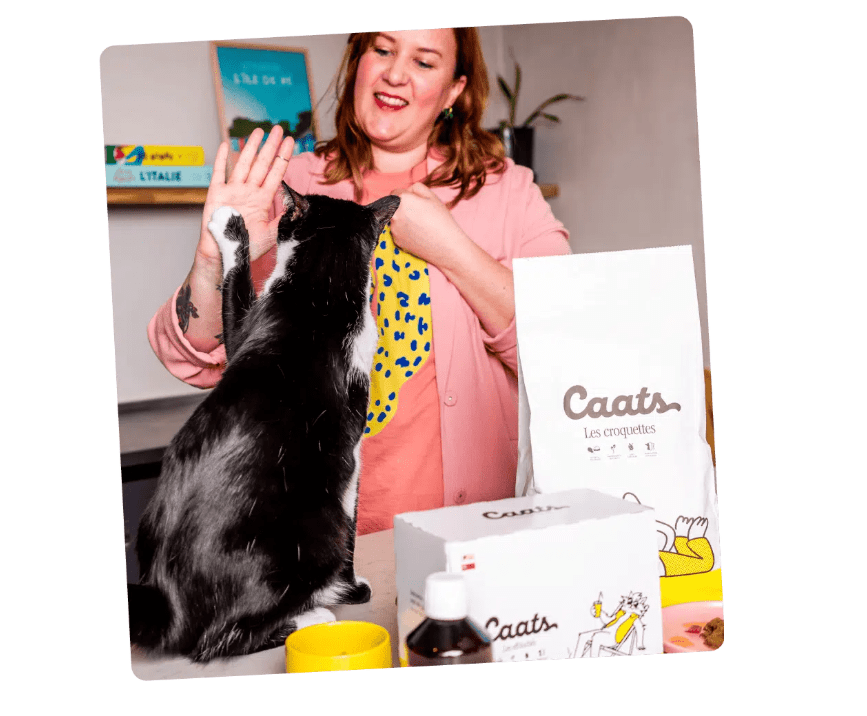
Personalized nutrition is based on the idea that every animal has unique dietary needs. Traditional pet food brands often design products for broad categories such as kittens, adult cats, or senior cats. While these categories provide some level of nutritional guidance, they do not account for the many individual differences between cats.
Caats addresses this issue by developing customized meal plans tailored to each cat’s specific profile. The process begins when a cat owner provides information about their pet. This information may include the cat’s age, weight, breed, activity level, and lifestyle.
Using this data, the system generates a nutrition plan designed to provide the right balance of nutrients for that particular cat. The goal is to ensure that each pet receives the appropriate amount of protein, fats, vitamins, and minerals needed to maintain optimal health.
One of the major advantages of personalized nutrition is portion control. Overfeeding is a common problem among domestic cats, especially those that live indoors and have limited physical activity. Personalized feeding plans help regulate portion sizes to prevent excessive calorie intake.
Another benefit is adaptability. As cats grow older, their nutritional requirements change. Kittens require nutrients that support growth and development, while adult cats require balanced diets that maintain energy levels and muscle health.
Senior cats may require specialized diets that support joint health, digestive function, and metabolic balance. Personalized nutrition plans can evolve with the cat’s life stages to ensure continuous support for its health.
By focusing on individual needs rather than generalized formulas, personalized nutrition aims to improve long-term health outcomes for cats.
The Role of Premium Protein Ingredients in Feline Health
Protein is one of the most important nutrients in a cat’s diet. Cats are obligate carnivores, meaning their bodies are biologically designed to consume and process animal-based proteins.
Protein provides essential amino acids that support many vital functions within the body. These amino acids are necessary for muscle development, tissue repair, immune system support, and metabolic processes.
High-quality protein sources are especially important because they are easier for cats to digest and absorb. This improved digestibility allows the body to use nutrients more efficiently, leading to better overall health.
Premium protein ingredients also help maintain lean muscle mass. Muscle health is important for maintaining strength, mobility, and metabolic balance in cats.
Another essential nutrient found in animal proteins is taurine. Taurine is a critical amino acid that supports heart health, vision, and reproductive functions in cats.
Because cats cannot produce taurine naturally in sufficient amounts, they must obtain it through their diet. Diets lacking adequate taurine can lead to serious health problems over time.
In addition to protein, balanced cat food must also contain healthy fats, vitamins, and minerals. Fats provide energy and support brain function, while vitamins and minerals contribute to immune system health and organ function.
Premium ingredients also help improve the taste and texture of cat food, which encourages cats to eat consistently.
By focusing on high-quality protein sources and balanced nutrients, modern pet food companies aim to provide diets that closely match the natural biological needs of cats.
How Subscription Meal Plans Improve Pet Care Convenience
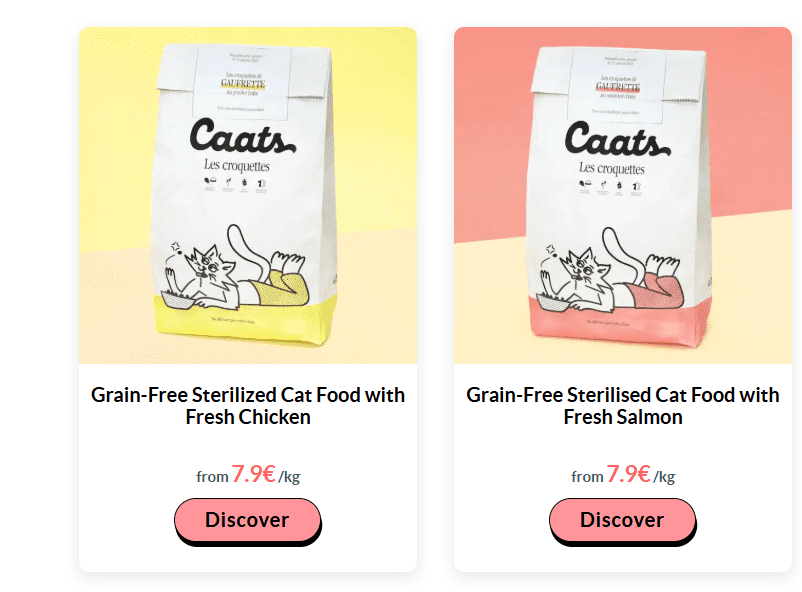
In addition to improving nutrition, modern pet food services also focus on making pet care more convenient for owners. Busy schedules often make it difficult for pet owners to regularly visit stores to purchase food for their pets.
Subscription-based delivery services provide a practical solution to this challenge.
Caats offers a subscription system that delivers personalized cat food directly to the customer’s home. Once a nutrition plan is established, the company calculates the amount of food required and schedules deliveries accordingly.
This system ensures that cat owners never run out of food for their pets. Instead of remembering to reorder supplies or visit stores frequently, they receive shipments automatically.
Subscription delivery also supports consistent feeding routines. Cats often thrive on predictable schedules, and receiving food at regular intervals helps maintain stable dietary habits.
Another advantage of subscription services is flexibility. Pet owners can usually adjust delivery schedules, modify meal plans, or update portion sizes based on their cat’s changing needs.
For example, if a cat becomes more active or gains weight, the feeding plan can be adjusted accordingly.
Home delivery also eliminates the inconvenience of carrying heavy bags of pet food from stores. Instead, food arrives directly at the customer’s doorstep.
The rise of subscription-based services reflects broader changes in consumer behavior. Many people now prefer automated delivery for everyday products such as groceries, household supplies, and pet food.
By combining personalized nutrition with convenient delivery, companies like Caats are redefining how pet owners manage their pets’ diets