Introduction
Traveling across the Mediterranean Sea has always been a memorable experience for travelers seeking beautiful landscapes, cultural diversity, and relaxing seaside vacations. Among the most attractive destinations in the Mediterranean region are the islands of Corsica and Sardinia, both famous for their crystal-clear waters, scenic mountains, charming villages, and unique cultural heritage. These islands attract millions of visitors each year who come to enjoy their beaches, outdoor activities, and local cuisine.
Although flights are available to reach these islands, many travelers prefer traveling by ferry. Ferry travel offers several advantages, including the ability to bring vehicles, carry larger luggage, and enjoy a comfortable and scenic journey across the sea. Instead of rushing through airports, ferry passengers can relax, move around freely on the ship, and enjoy panoramic views of the Mediterranean.
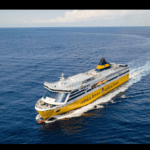
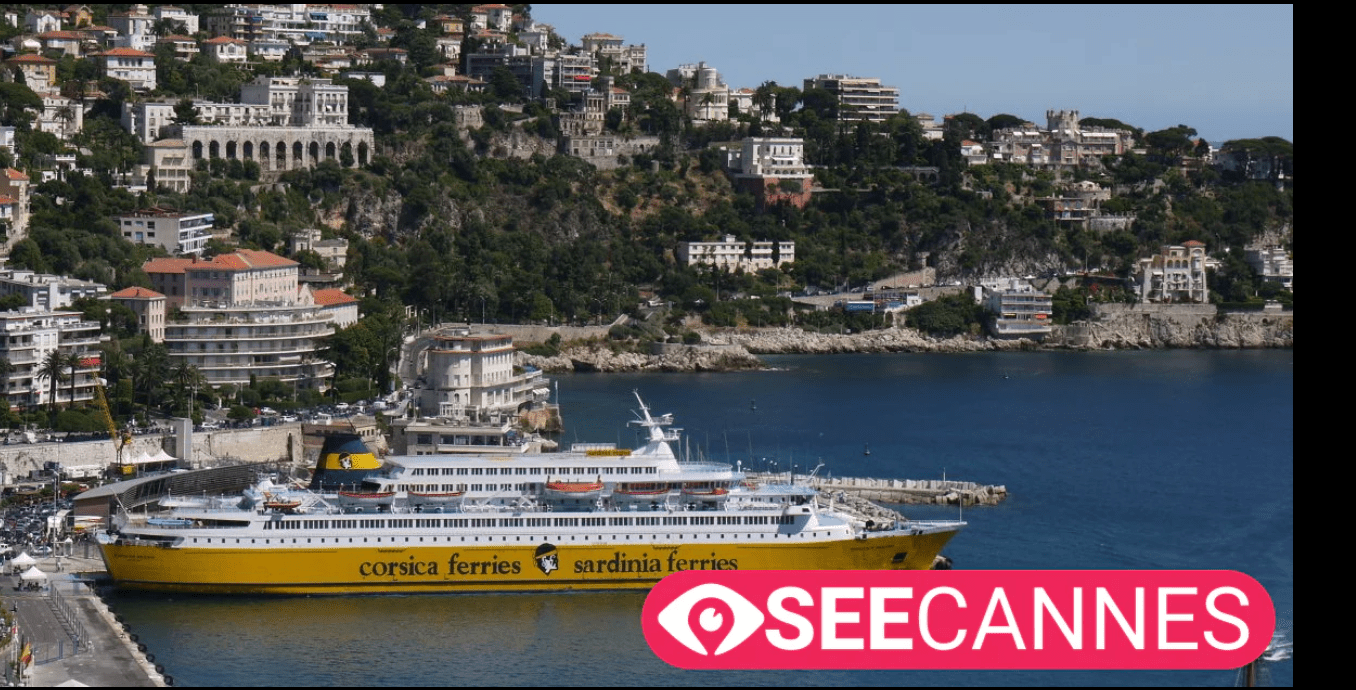
One of the most well-known ferry companies operating in this region is Corsica Ferries. This company has been connecting mainland Europe with Mediterranean islands for decades and has built a strong reputation for reliability, comfort, and affordability. Its distinctive yellow ships have become a recognizable symbol in many Mediterranean ports.
Corsica Ferries operates routes from mainland France and Italy to popular island destinations such as Corsica and Sardinia. These routes allow travelers from different parts of Europe to reach the islands conveniently.
The company transports millions of passengers every year, especially during the summer tourism season when demand for travel to Mediterranean islands increases significantly.
In addition to transportation, Corsica Ferries focuses on providing a comfortable onboard experience. Passengers can enjoy facilities such as restaurants, lounges, outdoor decks, cabins, entertainment areas, and shopping spaces during their journey.
Another advantage of ferry travel is flexibility. Travelers can bring their cars, motorcycles, bicycles, or campers onboard, which makes it easier to explore the islands after arrival.
For tourists planning a vacation in Corsica or Sardinia, understanding ferry routes, schedules, ticket prices, and onboard services is important for planning a smooth and enjoyable journey.
In this guide, we will explore everything you need to know about Corsica Ferries, including the routes it operates, how ticket prices work, how ferry schedules are organized, and what passengers can expect during the onboard travel experience.
Ferry Routes Connecting Mainland Europe to Corsica and Sardinia

Corsica Ferries operates an extensive network of ferry routes connecting mainland Europe with several Mediterranean islands. These routes provide convenient travel options for both tourists and residents.
One of the most important departure ports in France is Toulon, located on the southern coast near the French Riviera. Toulon serves as a major hub for Corsica Ferries, with multiple routes connecting it to Corsican ports such as Bastia, Ajaccio, Ile-Rousse, and Porto-Vecchio.
Another popular French port is Nice, which also offers ferry services to Corsica. Nice is a well-known tourist destination, and many travelers begin their island journey from this port.
Corsica Ferries also operates several routes from Italy. One of the most frequently used Italian departure points is Livorno, located in the Tuscany region. Ferries departing from Livorno often travel to Bastia in Corsica.
Another important Italian port is Savona, located near the city of Genoa in northern Italy. Savona provides ferry routes to both Corsica and Sardinia.
For travelers heading to Sardinia, Corsica Ferries operates routes from mainland Italy to ports such as Golfo Aranci, which lies near the famous Costa Smeralda region known for luxury resorts and beautiful beaches.
The company also offers routes to the island of Elba, a smaller Mediterranean island located off the coast of Tuscany. Elba is known for its natural beauty and historical significance as the place where Napoleon Bonaparte was once exiled.
These multiple routes make it easy for travelers from different regions of Europe to reach Mediterranean island destinations.
Depending on the route, ferries may operate daytime or overnight crossings. Overnight journeys are particularly convenient because passengers can sleep in cabins and arrive at their destination in the morning.
Ferry Schedules and Travel Duration
Ferry schedules play an important role in planning a trip to Corsica or Sardinia. Corsica Ferries offers several departure times to accommodate different travel needs.
Some routes operate during the daytime, allowing passengers to enjoy scenic sea views throughout the journey. Daytime crossings are ideal for travelers who want to experience the beauty of the Mediterranean while traveling.
Other routes operate overnight, which can be more convenient for longer distances. Overnight ferries allow passengers to rest in cabins and arrive at their destination early the next day.
Travel duration varies depending on the route and departure port. Shorter crossings may take around four to six hours, while longer journeys can take eight hours or more.
For example, ferries traveling from Livorno to Bastia usually take several hours, while longer crossings from Toulon may require overnight travel.
Schedules also vary depending on the season. During the summer tourism season, ferry departures are often more frequent because of increased demand.
In the off-season, fewer departures may be available, so travelers should check schedules carefully before planning their trip.
Weather conditions can sometimes affect ferry schedules as well. Although modern ferries are designed to operate in various sea conditions, severe weather may occasionally cause delays or schedule changes.
Arriving at the port early helps ensure a smooth boarding process and provides enough time for vehicle loading if passengers are bringing cars onboard.
Ticket Prices and Booking Process
Ticket prices for ferry travel can vary depending on several factors, including travel dates, route distance, accommodation type, and whether passengers bring vehicles.
One of the main factors affecting ticket prices is the travel season. During peak tourist seasons such as summer, prices are generally higher due to increased demand.
Travelers who book their tickets early often find better prices and greater availability.
Another factor influencing ticket cost is the type of seating or accommodation selected. Basic tickets provide access to public seating areas and lounges.
Passengers who want more comfort may choose private cabins, which offer beds, bathrooms, and private spaces for resting during the journey.
Cabins are especially recommended for overnight crossings because they allow passengers to sleep comfortably during the trip.
Travelers who bring vehicles onboard must also pay additional fees depending on the size and type of vehicle.
Booking ferry tickets is usually done online through the Corsica Ferries website. The booking system allows travelers to select routes, compare schedules, choose accommodations, and complete reservations easily.
Online booking also makes it possible to add extra services such as meals, pet accommodations, or priority boarding.
By comparing options and booking early, travelers can find the best deals for their ferry journeys.
Onboard Facilities and Passenger Experience

One of the most enjoyable aspects of traveling with Corsica Ferries is the variety of onboard facilities available to passengers.
Unlike airplanes, ferries offer spacious environments where travelers can move around freely during the journey.
Most ferries include restaurants and cafés where passengers can enjoy meals, snacks, and drinks. Mediterranean cuisine and local specialties are often available.
Passengers can also relax in lounges and bars, where they can socialize or enjoy beverages while watching the sea.
Outdoor decks are among the most popular areas on the ship. These spaces allow passengers to enjoy fresh sea air and panoramic views of the Mediterranean.
Some ferries include entertainment areas and shops where passengers can purchase souvenirs or travel essentials.
Families traveling with children may find play areas helpful for keeping young passengers entertained.
Private cabins offer comfortable spaces where passengers can rest during longer journeys.
Corsica Ferries also allows pets onboard, making it easier for travelers to bring their animals along.
Accessibility facilities are available for passengers with reduced mobility, ensuring that ferry travel remains accessible to everyone.
Overall, the onboard experience combines relaxation and entertainment, making the journey itself a memorable part of the trip