

One of the defining strengths of Codecademy is its commitment to accessibility. Traditional computer science education often requires formal enrollment, tuition fees, and rigid schedules. Codecademy reshapes that model by offering browser-based, self-paced learning that removes many of these barriers. Learners only need an internet connection and curiosity to begin exploring programming.
The platform’s beginner-friendly structure ensures that even individuals without prior technical experience can understand core programming logic. Lessons introduce new concepts gradually, reinforcing them through repetition and guided practice. This scaffolding approach reduces intimidation, especially for those transitioning from non-technical backgrounds.
Accessibility also extends to flexibility. Working professionals, students, and entrepreneurs can learn at their own pace, revisiting lessons as needed. This adaptability aligns with modern learning preferences, where education fits around life commitments rather than replacing them.
Structured Learning Paths That Build Confidence
Codecademy’s structured learning paths are designed to guide learners step by step toward mastery. Instead of navigating scattered tutorials, users follow curated roadmaps that build logical progression from fundamentals to advanced topics. Each module builds on prior knowledge, reinforcing understanding through cumulative exercises.
For example, a learner starting with Python will first understand variables and control flow before moving into functions, data structures, and object-oriented programming. This structured layering mirrors academic curriculum design but retains the flexibility of online education.
Confidence grows as learners complete interactive exercises and mini-projects. Immediate feedback reinforces correctness, while guided hints prevent frustration from halting progress. Over time, consistent small wins contribute to a deeper sense of capability and technical fluency.
Real-World Projects and Practical Application

Learning to code requires more than memorizing syntax; it demands problem solving in realistic scenarios. Codecademy integrates practical projects that simulate real development tasks. These may include building interactive websites, creating simple data dashboards, or constructing backend APIs.
Projects provide learners with tangible results — working applications that can be demonstrated or included in professional portfolios. This practical orientation bridges the gap between theoretical learning and industry expectations. Employers often prioritize demonstrated skills over theoretical knowledge alone, making project-based learning particularly valuable.
Through applied practice, learners develop debugging skills, logical reasoning, and familiarity with development workflows. These competencies are essential for transitioning from student to professional developer.
Subscription Plans and Learning Investment
Codecademy offers both free introductory content and premium subscription plans. Free courses allow beginners to explore foundational topics, while paid tiers unlock structured career paths, skill paths, quizzes, and additional project resources. This tiered approach allows users to test the platform before committing financially.
Investing in structured learning often yields long-term returns, especially for those pursuing career transitions into technology. Compared to traditional university programs, Codecademy’s subscription model is relatively affordable, making technical education more accessible to global audiences.
Many learners view the subscription as an investment in professional growth, particularly when pursuing in-demand roles such as web developer, data analyst, or software engineer.
Codecademy’s Role in Career Transitions
The technology industry continues to expand, and many professionals seek to pivot into tech roles from unrelated fields. Codecademy supports these transitions by offering beginner-friendly pathways that gradually build toward job-ready competencies.
By combining coding skills with interview preparation resources and portfolio projects, learners can present themselves confidently in hiring processes. While formal degrees remain valuable, skill-based hiring practices in technology often prioritize demonstrable expertise and project experience.
Self-paced learning also allows career changers to continue working while acquiring new skills. This flexibility reduces financial risk and supports smoother transitions into technical roles.
The Future of Digital Education and Codecademy’s Impact
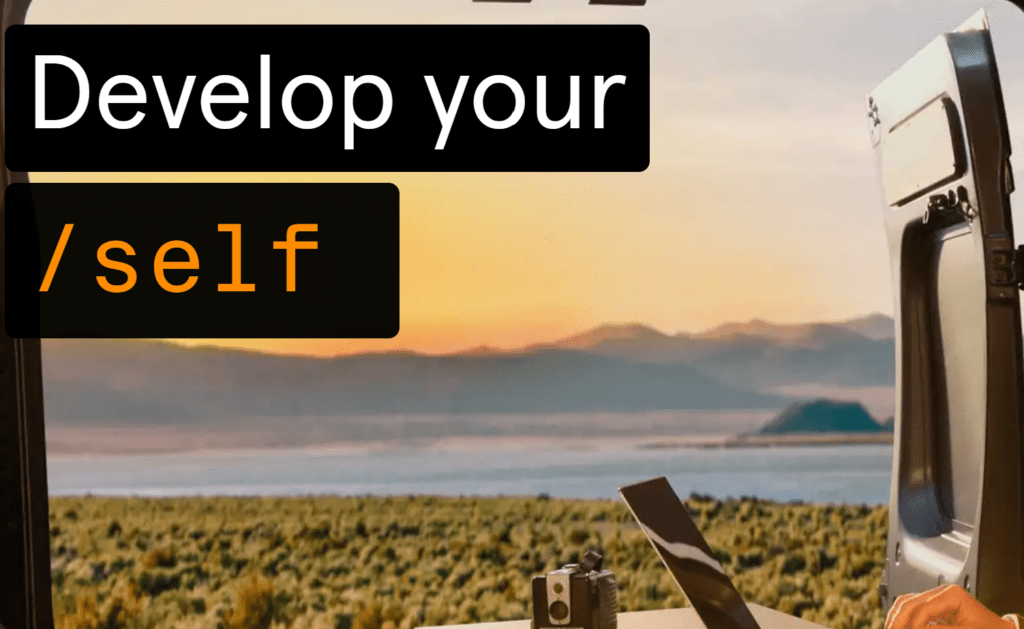
Online education platforms are reshaping how people acquire knowledge. Codecademy stands as a prominent example of how interactive learning can democratize access to technical skills. As artificial intelligence, automation, and digital infrastructure continue to expand globally, programming literacy becomes increasingly relevant.
Future developments may include deeper AI-powered personalization, adaptive assessments, and enhanced project simulations that mirror real production environments. Codecademy’s iterative platform updates suggest a commitment to staying aligned with industry trends and learner needs.
Ultimately, Codecademy represents more than just a course provider. It reflects a shift toward continuous learning in a rapidly evolving digital landscape. By empowering individuals to build coding skills on their own terms, the platform contributes to a more inclusive and skilled global workforce.