Introduction to buying computers and accessories
Navigating the world of computers and accessories can feel like a daunting task. With countless options available, how do you choose what’s right for you? Whether you’re a gamer, a student, or just someone who loves browsing the web, finding the perfect computer is essential.
But it doesn’t end with just picking a device; accessories play a crucial role too. From mice to monitors, these gadgets can enhance your overall experience significantly. Don’t worry—this guide will help you explore all the best deals out there while breaking down what to look for when buying your next tech companion. Let’s dive into this exciting journey together!
In today’s fast-paced digital world, choosing the right computer and accessories can feel overwhelming. With so many options available, it’s easy to get lost in a sea of specs and features. Whether you’re a gamer seeking peak performance or a professional looking for reliability, finding the best deals is crucial.
But where do you start? Enter Compbest Computers & Accessories—a treasure trove of gadgets designed to meet your needs without breaking the bank. From laptops that pack a punch to peripherals that enhance your experience, there’s something here for everyone.
Join us as we dive into the world of computers and accessories, exploring top picks and unbeatable deals tailored just for you. Let’s make your tech shopping journey not only efficient but also enjoyable!
Factors to consider when buying a computer
When buying a computer, the first factor to consider is your primary use. Will you be gaming, working, or just browsing? Each task has its own requirements.
Next, think about performance. Look for a good processor and sufficient RAM. These components will affect how smoothly your tasks run.
Storage options matter too. Solid-State Drives (SSDs) offer speed while Hard Disk Drives (HDDs) provide more space at a lower cost.
Don’t overlook portability if you’re considering laptops or tablets. Weight and battery life can significantly impact usability on the go.
Keep an eye on budget constraints. Price doesn’t always equal quality; sometimes mid-range models perform exceptionally well without breaking the bank.
Types of computers: Desktop, Laptop, Tablet
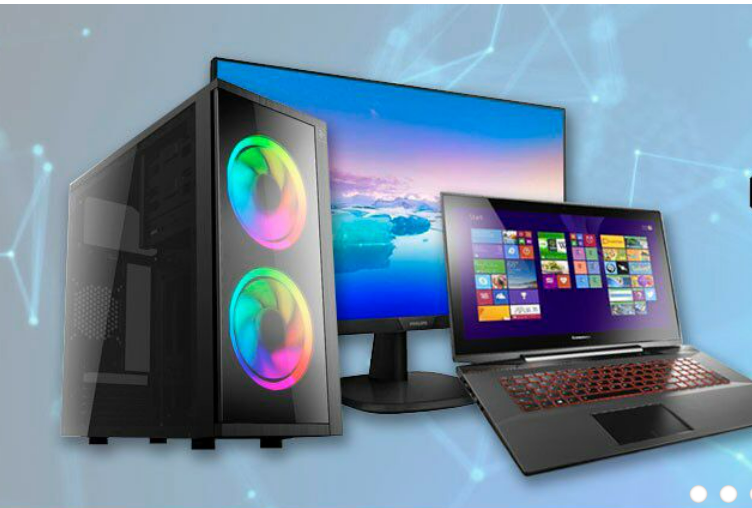
Desktops are the workhorses of computing. They offer powerful performance, making them ideal for gaming, graphic design, and heavy multitasking. With customizable components and larger screens, they cater to users who need robust capabilities.
Laptops bring portability into the mix. Designed for on-the-go use, they balance power with convenience. With battery life advancements, modern laptops can handle everything from casual browsing to demanding software without being tethered to a wall charger.
Tablets provide sleek versatility. Their touchscreens make navigation intuitive and user-friendly. Perfect for media consumption or light productivity tasks like note-taking or sketching, tablets bridge the gap between smartphones and traditional computers.
Each type of computer serves different needs and lifestyles. Choosing depends largely on how you plan to use it—whether at home, in transit, or simply relaxing on your couch with your favorite apps.
Comparing prices and features of popular brands
When it comes to computers and accessories, brand reputation often influences our choices. Popular brands like Dell, HP, Apple, and Lenovo each offer distinct features tailored for different users.
Dell is known for its reliability and customization options. Their XPS series boasts sleek designs with powerful specs that cater to professionals and gamers alike.
HP offers a variety of laptops ranging from budget-friendly models to high-performance machines. The Pavilion line strikes a balance between affordability and quality.
Apple’s MacBook lineup is favored by creatives for its seamless integration with design software. Its build quality sets it apart but comes at a premium price.
Lenovo’s ThinkPad series stands out in the business world due to its durability and keyboard comfort. Users appreciate the long battery life too.
Comparing these brands involves looking beyond just price; consider performance, warranty services, and customer reviews as well before making your decision.
Tips for saving money on your computer purchase
When it comes to buying a computer, there are plenty of ways to save money. Start by shopping during major sales events like Black Friday or back-to-school seasons. Discounts can be significant during these times.
Consider refurbished models. Many manufacturers offer certified refurbished computers that work just as well as new ones but come at a fraction of the price.
Don’t forget about student discounts if you’re in school or have kids who are! Many brands and retailers provide special pricing for students, which is worth exploring.
Also, compare prices across multiple retailers before making a decision. Websites and apps designed for price comparisons can help you identify the best deals available online or in-store.
Think about your needs carefully. Choosing slightly older models often gives you better performance for less cash without sacrificing essential features.
Upgrading or building your own computer: Pros and cons
Upgrading or building your own computer can be an enticing option for many tech enthusiasts and everyday users alike. It offers a unique blend of customization, performance improvement, and often cost savings.
When you choose to upgrade your existing machine, you can enhance its capabilities without starting from scratch. This may involve replacing components like RAM or storage drives, which is typically more budget-friendly than buying a new device. Plus, it’s rewarding to see your old computer regain its speed and efficiency with just a few adjustments.
On the other hand, building your own computer allows for complete control over every part of the process. You get to select each component based on personal preferences and specific needs—whether that’s gaming power, multimedia editing capabilities or simple day-to-day tasks. A custom build can also lead to better performance compared to pre-built systems at similar price points.
However, there are drawbacks worth considering. Upgrading requires some technical know-how; not everyone feels comfortable tinkering with hardware inside their machines. Similarly, assembling a new PC from scratch demands patience and expertise in choosing compatible parts—a misstep could result in inefficiencies or incompatibility issues.
Whether upgrading an older system or embarking on the journey of building one from the ground up comes down to individual preference and comfort level with technology. Both options can yield fantastic results while enhancing user experience if approached thoughtfully.